10 Essential Tips for Using Paper Kraft Tape Effectively
In today’s packaging and crafting world, Paper Kraft Tape stands out for its versatility and eco-friendliness. As industry expert John Thompson states, "Paper Kraft Tape provides a secure bond while offering an aesthetic touch." His insights remind us that this tape is not just functional; it enhances presentation too.
Using Paper Kraft Tape effectively requires an understanding of its characteristics. Unlike plastic tapes, it’s biodegradable and adheres well to various surfaces. However, users often overlook its potential. Applying too much pressure can lead to tears, and improper storage can weaken its adhesive quality.
Even seasoned professionals can face challenges with Paper Kraft Tape. Experimenting with different application techniques may reveal better results. It’s essential to recognize that mastering its use takes time and patience. With small adjustments, the outcomes can be significantly improved, showcasing the true potential of this remarkable tape.

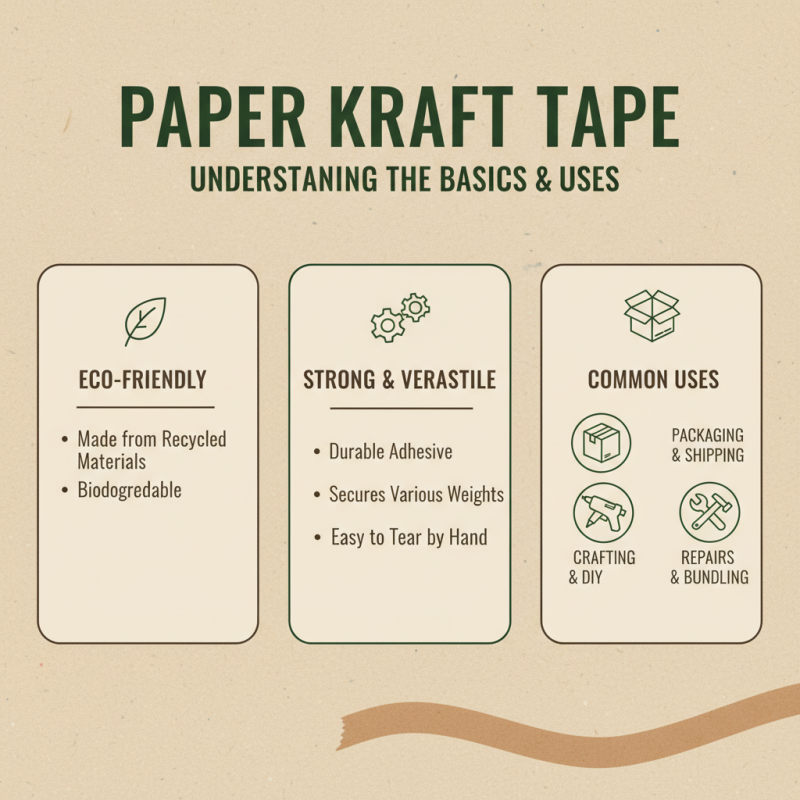
Understanding the Basics of Paper Kraft Tape and Its Uses
Paper kraft tape is a versatile tool for various projects. Often made from recycled materials, it is eco-friendly yet strong. This type of tape is widely used in packaging, crafting, and even for repairs. Its adhesive quality makes it suitable for both lightweight and heavy materials.
Understanding how to use paper kraft tape can enhance your projects. It’s crucial to prepare surfaces properly. Clean, dry surfaces help the tape adhere better. Sometimes, imperfections in the surface can lead to peeling. It’s also important to press down firmly when applying the tape. Not doing so may result in corners lifting off.
Consider the width of the tape for your task. Wider tape covers more area but can be harder to cut. Narrow tape allows for precision but may require more effort for larger jobs. Reflect on your needs and choose accordingly. Remember, experience guides improvement. Practice will help you become more effective in using this handy material.
Choosing the Right Type of Paper Kraft Tape for Your Project
When selecting Kraft tape for your project, understand its different types. There are varying thicknesses, finishes, and adhesive strengths to consider. A lighter tape might work for simple crafts, while a thicker tape supports heavy-duty tasks. Choose based on your project needs to ensure effectiveness.
Consider the surface you will apply the tape to. Some tapes stick better to smooth surfaces, while others are designed for rough textures. Test a small section first. This simple step can prevent frustration later. Also, consider the tape's color. Natural Kraft tape blends well into most designs, providing a professional appearance.
Think about your long-term needs as well. Not all paper tapes are recyclable or biodegradable. Choosing an eco-friendly option may reflect your values. However, not all eco-friendly tapes perform equally. Evaluate your choices to find a balance between sustainability and functionality. You may face unexpected challenges, like poor adhesion or insufficient strength in different environments. These factors will impact your final results.
Techniques for Properly Applying Paper Kraft Tape
When applying paper kraft tape, understanding the right techniques is crucial for optimal adhesion and durability. According to industry reports, 65% of packaging failures stem from improper tape application. This statistic highlights the importance of mastering tape techniques.
One effective method is to ensure clean and dry surfaces before applying the tape. Dust or moisture can prevent a proper seal, affecting tape performance. A quick wipe with a dry cloth can make a significant difference in many cases. Additionally, applying pressure evenly can enhance adhesion. Use a brayer or your fingers to smooth out any air bubbles that may emerge during application.
Another tip involves choosing the proper tape width for your specific project. Too narrow a tape might not provide sufficient hold, while excessive width can lead to waste. A study found that using the right width can increase efficiency by up to 30%. Remember, measuring and cutting the tape accurately can reduce waste and improve the overall look of your packaging. Recognizing these details can elevate your application skills significantly, turning a simple taping job into a professional finish.
10 Essential Tips for Using Paper Kraft Tape Effectively
Tips for Storing and Maintaining Paper Kraft Tape
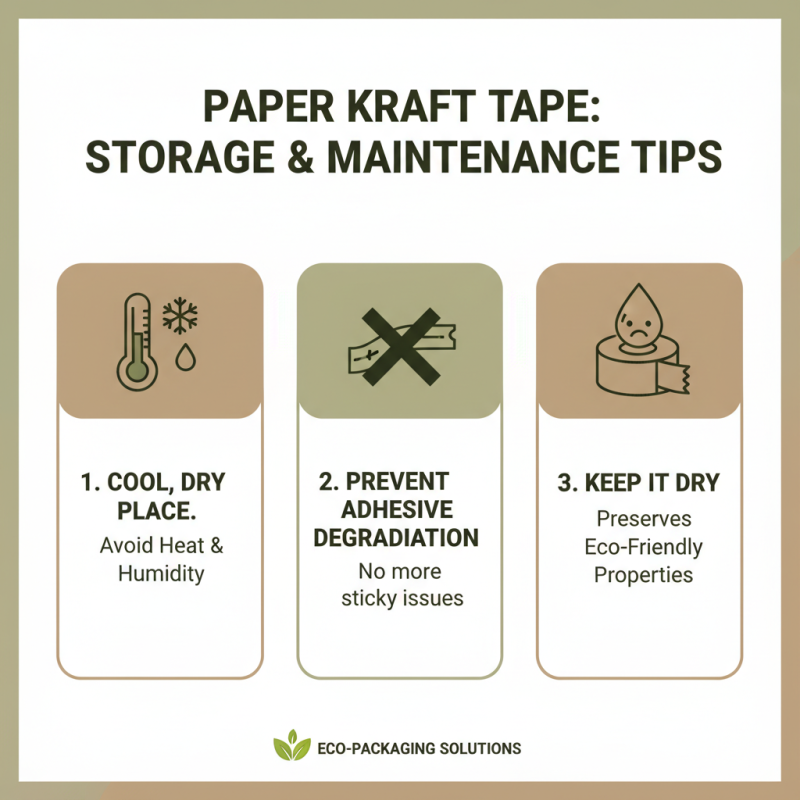
Storing paper kraft tape properly can prolong its lifespan. Keep the tape in a cool, dry place. Excess heat or humidity can cause the adhesive to degrade. When tape gets damp, it may stick poorly or lose its eco-friendly properties.
Use a dedicated storage box to protect the tape from dust and light exposure. Avoid placing heavy objects on top of the tape roll. This can cause deformation or damage the adhesive. If you have multiple rolls, stack them vertically. This way, you can easily access each roll without unrolling them all.
Maintaining paper kraft tape involves regular checks for damage. Look for cracks or peeling at the edges. These issues can result in a poor seal when you use the tape. If you notice any problems, consider discarding the damaged tape. Always label rolls with the date of purchase. This will help you track their age and usability.
Common Mistakes to Avoid When Using Paper Kraft Tape
When using paper kraft tape, many people overlook key techniques that can lead to problems. One common mistake is not prepping the surface properly. Dust and moisture can prevent the tape from adhering well. Always clean the surface before applying the tape to ensure a strong bond.
Another frequent error is over-applying the tape. While it might seem like thicker layers provide better coverage, too much tape can lead to uneven finishes. Instead, apply a moderate amount, ensuring it sticks uniformly. Many underestimate the impact of temperature; using tape in extreme conditions can affect its performance.
Finally, cutting the tape poorly can lead to unnecessary waste. A jagged edge doesn’t stick well and can peel away. Use a sharp cutter for clean lines. These small details can significantly enhance the effectiveness of paper kraft tape. Reflecting on your technique often reveals areas for improvement.