What is Clear Packing Tape and How is it Used?
Clear packing tape is an essential tool in the shipping and packaging industry. Its strength and transparency make it a favored choice for securing boxes and packages. John Smith, a recognized expert in packaging solutions, once said, "A reliable tape can make or break your shipping experience." This highlights the significance of choosing high-quality materials like clear packing tape.
Using clear packing tape may seem simple, yet it requires careful consideration of quality and application techniques. Many users may underestimate its importance, leading to issues like package damage or items falling out during transit. The best practices involve ensuring a tight seal and using adequate tape length. Reviewing different brands and types can also help find the most reliable option.
In an ever-evolving packaging landscape, clear packing tape remains a staple due to its versatility and efficacy. However, not all tapes are equal. Users must assess their needs carefully to avoid common pitfalls. A little extra thought can lead to better outcomes, reducing the chances of mishaps during shipping.
Definition and Composition of Clear Packing Tape
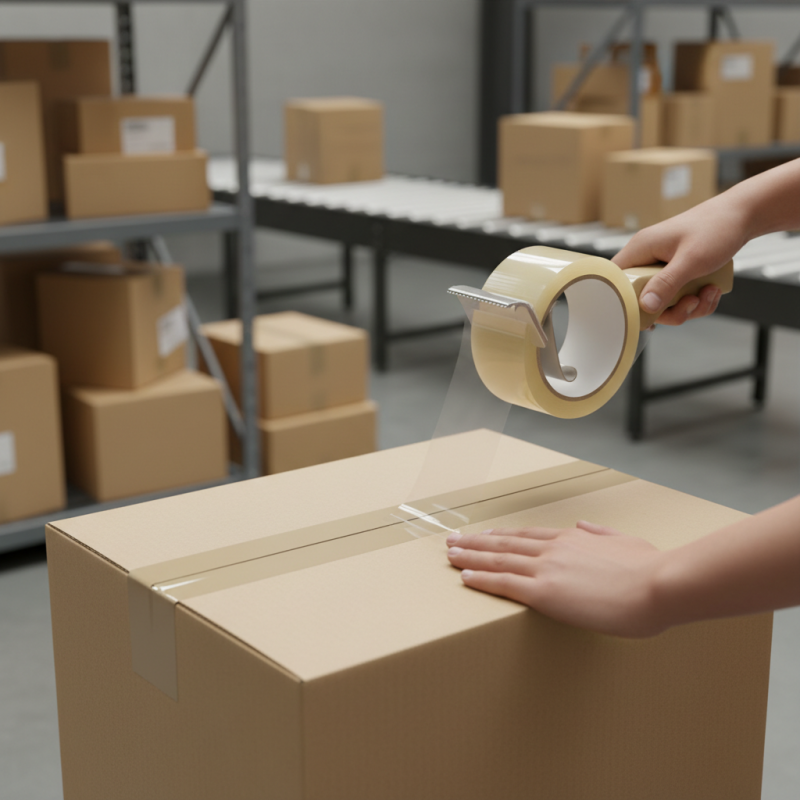
Clear packing tape is a versatile adhesive product used widely in various settings. It typically consists of a polyethylene film coated with a pressure-sensitive adhesive. This composition allows it to create a strong bond with a variety of surfaces, such as cardboard and plastic. The polyethylene layer provides durability, making it resistant to moisture and tearing during shipping and storage.
When using clear packing tape, it's essential to consider its properties. While it adheres well to many materials, improper application can lead to issues. For instance, applying the tape on a dusty or oily surface may weaken its hold. Furthermore, using tape in extreme temperatures can affect its performance. These factors highlight the importance of understanding the tape's limitations for effective use.
In many applications, one overlook tends to be the method of cutting the tape. A clean cut ensures a better fit on packages, and a jagged edge can lead to unnecessary waste. Users should always keep in mind the need for a consistent application for optimal results. Embracing these details can elevate the utility of clear packing tape in practical scenarios.
Usage of Clear Packing Tape in Different Industries
Common Uses of Clear Packing Tape in Various Industries
Clear packing tape is an essential tool in various industries. It is widely used for sealing boxes, securing packages, and protecting items during transit. In shipping, this tape ensures the integrity of packages, preventing items from spilling out. Retail establishments rely on clear packing tape for easy labeling and sealing of products. The visibility allows for easy identification.
In the office sector, clear packing tape plays a role in organizing documents. It can secure materials together, making it easier to handle. In manufacturing, this tape is often used for bundling products or sealing cartons. The versatility of clear packing tape makes it invaluable in many situations.
Tips: When using clear packing tape, apply it smoothly to avoid wrinkles. A clean surface can help the tape adhere better. Store unused tape in a cool, dry place to maintain its effectiveness. Before using, ensure the tape is not expired.
What is Clear Packing Tape and How is it Used? - Common Uses of Clear Packing Tape in Various Industries
| Industry |
Common Uses |
Benefits of Using Clear Packing Tape |
| E-commerce |
Sealing boxes for shipping |
Strong adhesion, transparent finish |
| Manufacturing |
Bundling products |
Durable and reliable |
| Retail |
Packaging and securing items |
Professional appearance, easy to use |
| Arts and Crafts |
Creating art projects |
Versatile and clear for aesthetics |
| Office |
Organizing documents |
Easy to remove, no residue |
Advantages of Using Clear Packing Tape for Packaging
Clear packing tape is a versatile tool essential for various packing and shipping tasks. Its transparency allows for a clean look, ensuring the contents remain visible. This type of tape is ideal for sealing boxes, wrapping gifts, and bundling items together. Many people find it reliable because it adheres well to different surfaces. It provides a strong bond that can withstand movement during transportation.
One key advantage of clear packing tape is its ease of use. Applying it is simple, which saves time. The tape can be cut to any length, allowing you to customize the amount you need. Moreover, its durability ensures that packages stay secure until delivery. Many professionals trust this tape for their shipping needs due to its strength and visibility.
Tips: Make sure the surface is clean and dry before applying the tape. This enhances the bonding strength. Additionally, store the tape in a cool place to avoid damage. If the tape gets too sticky or loses its adhesion, replace it promptly. A small investment in high-quality tape can prevent bigger issues during shipping.
Application Techniques for Effective Use of Clear Packing Tape
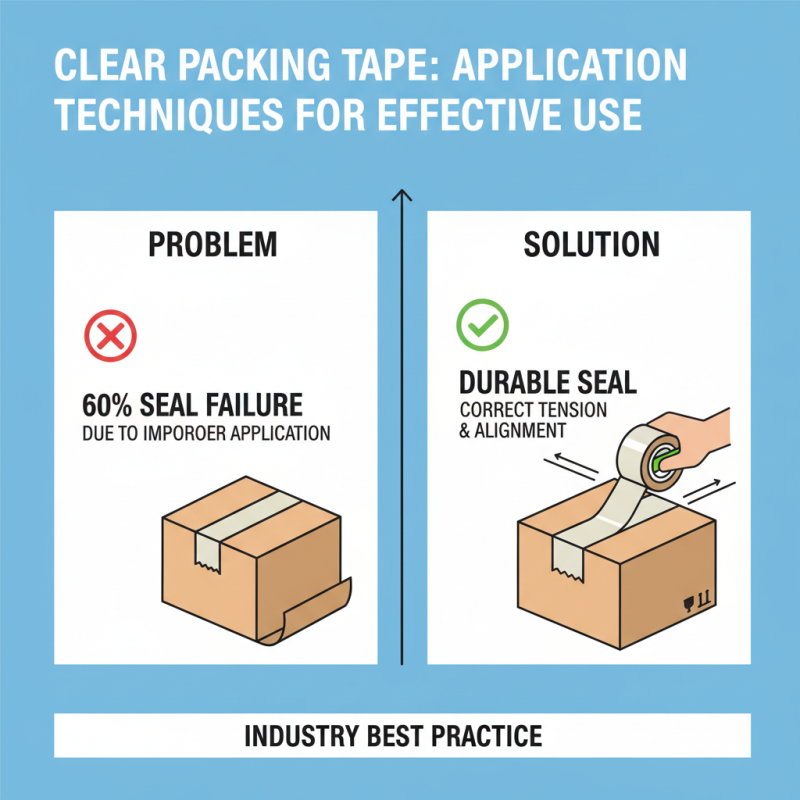
Clear packing tape is a versatile tool widely used in packaging and shipping. Its effectiveness largely relies on proper application techniques. According to industry reports, about 60% of failed sealing occurs due to improper tape application. Ensuring correct tension and alignment during application can significantly enhance the durability of the seal.
For best results, the tape should be applied smoothly without any bubbles. A straight edge or a tape dispenser can help maintain alignment. Pressing down firmly on the tape ensures a stronger bond, particularly on various surfaces. It’s noteworthy that environmental conditions can affect adhesion; humidity or dust may lead to tape failure. In such cases, testing different application methods can help find the most effective technique.
Beyond basic application, sealing methods can be optimized. Cross-sealing packages can provide extra protection against tampering, a technique noted to improve package security reports by over 30%. However, incorrect usage can result in waste, with studies showing that about 20% of tape used is discarded due to improper application. Reflecting on these practices can lead to improved efficiency and cost-effectiveness in packaging operations.
Tips for Choosing the Right Clear Packing Tape for Your Needs
When selecting clear packing tape, consider its thickness. Thicker tapes generally offer better durability. This can be crucial for heavy boxes that need extra support. Testing the tape's adhesion is another important factor. A tape that sticks well prevents boxes from opening during transit.
The width of the tape can also matter. A wider tape covers more surface area, providing a tighter seal. This helps protect your items from moisture and dust. Some may find it challenging to decide on the right size. Don't hesitate to try different options until you find the one that fits your needs perfectly.
Transparency is key for clear packing tape. Choose a tape that allows for easy visibility of labels and contents inside the package.
A roll that unwinds smoothly makes for efficient packing. You may face issues when the tape tears too easily. Reflect on your choices and experiment with various types to see which performs best in your situation.