Why Choose Insulation Tape for Your Next Project?
When embarking on your next project, consider the benefits of using insulation tape. John Smith, a renowned expert in the insulation industry, once stated, “Insulation tape is a game changer for energy efficiency.” This adhesive solution not only provides excellent thermal insulation but also protects against moisture and electrical hazards. It’s crucial for both DIY enthusiasts and professionals.
Insulation tape comes in various forms and offers versatility. Whether you are sealing joints or insulating wires, choosing the right type can enhance your project’s success. Despite its many advantages, it’s important to acknowledge that improper use can lead to inefficiencies. Over-reliance on insulation tape, without proper techniques, may not yield the desired results.
A focus on quality is essential. Not all insulation tapes are created equal. Understanding specifications is vital for achieving optimal results. Evaluate your project requirements carefully. The right insulation tape can save energy and improve safety, but a poor choice can have the opposite effect. Reflection on these details will help ensure a successful project outcome.
Benefits of Using Insulation Tape in Electrical Projects
Insulation tape is a crucial component for any electrical project. It offers numerous advantages that can greatly enhance safety and efficiency. One primary benefit is its ability to prevent short circuits. By covering exposed wires, the tape shields them from accidental contact with conductive materials. This simple step safeguards you from electrical shocks and potential fires.
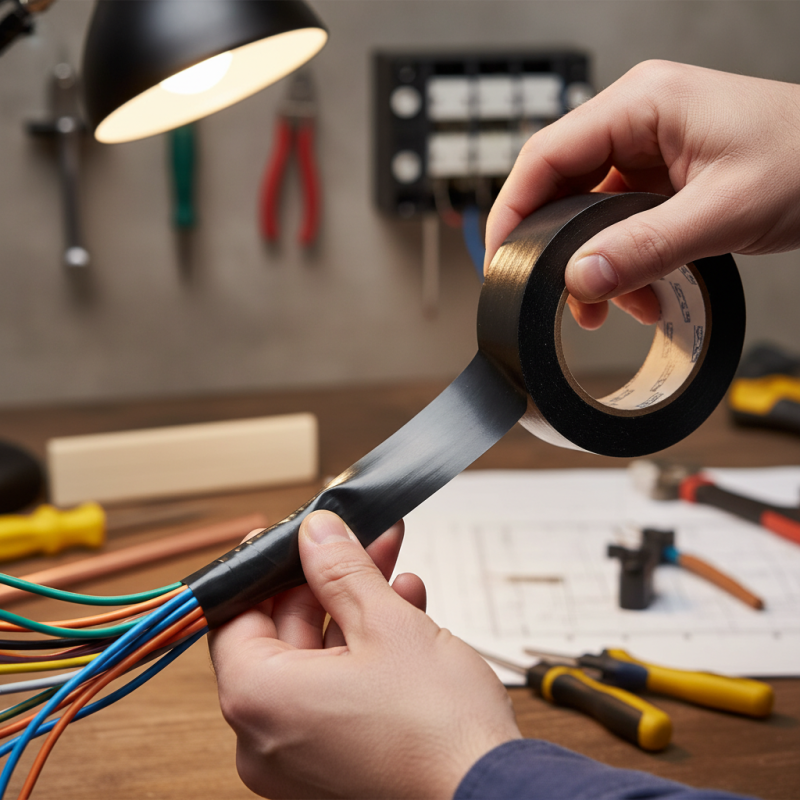
Proper application of insulation tape is key. Ensure that the surface is clean and dry before applying it. This guarantees a strong bond. Start wrapping from one end of the wire, overlapping each layer by halfway. This ensures complete coverage. A common mistake is using insufficient tape, which can lead to exposed areas. Always check your work.
When selecting insulation tape, consider the environment. Different types are better suited for various conditions. For example, some tapes are resistant to moisture while others withstand high temperatures. Understanding these factors will promote the longevity of your electrical projects. Tackle these challenges with confidence. Your attention to detail will pay off in the long run, even if the process requires patience and trial.
Benefits of Using Insulation Tape in Electrical Projects
This chart illustrates the various benefits of using insulation tape in electrical projects, rated from 1 to 10. The highest rating is for its ease of use, followed by durability, electrical insulation, moisture resistance, and heat resistance.
Key Materials and Types of Insulation Tape Available
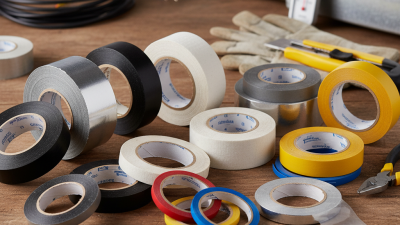
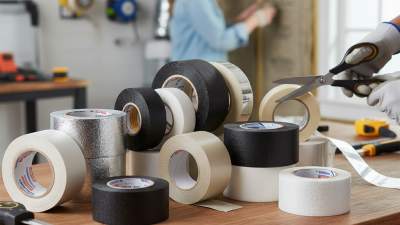
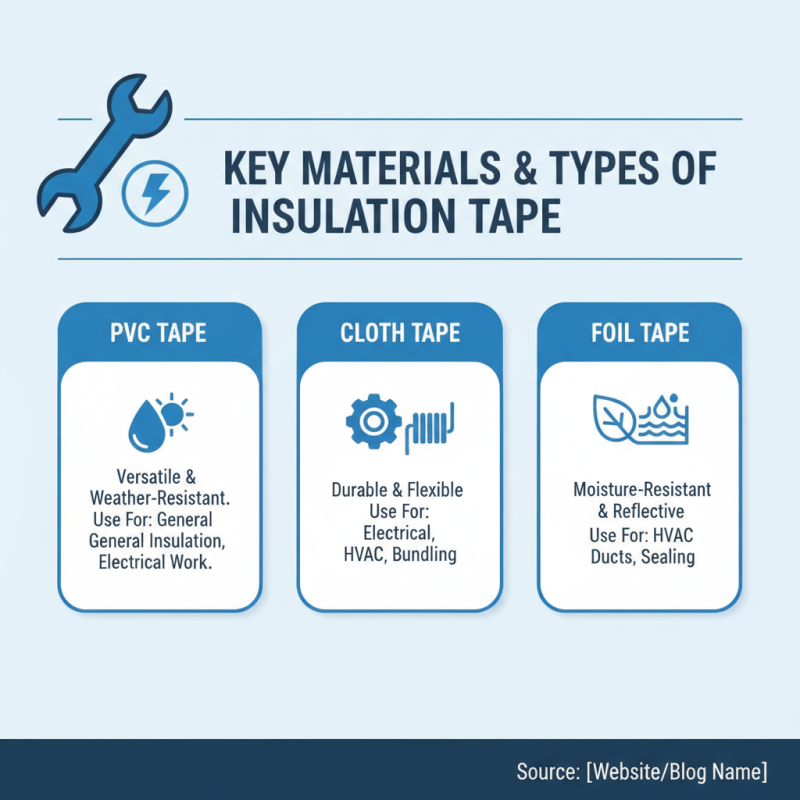
When selecting insulation tape for insulation projects, understanding the key materials and types available is essential. Common materials include PVC, cloth, and foil. PVC tape is versatile and weather-resistant, making it a go-to for many professionals. Cloth tape is favored for its durability, often used in electrical and HVAC projects. Foil tape, typically employed for HVAC applications, offers excellent moisture resistance.
A recent industry report indicates that about 80% of professionals prefer PVC insulation tapes for their reliability and effectiveness in various applications. When working with different elements, it's crucial to choose the right type. The effectiveness of insulation can significantly impact energy efficiency. Selecting the wrong tape can lead to energy loss, wasting resources.
Tip: Always consider the intended use of the tape. For outdoor applications, choose weatherproof options. For indoor use, focus on ease of application and removal.
Additionally, while thickness is an important metric for tape, many users overlook this factor. A thicker tape can provide better insulation. However, it may not always be necessary. Reflect on how the thickness will influence your project. Sometimes thinner tapes may suffice for temporary applications, while thicker ones are ideal for long-term solutions.
Tip: Test various tapes on a small scale before proceeding with larger projects. This approach can help identify the best option for your specific needs.
Performance Ratings and Standards for Insulation Tape
When choosing insulation tape for your project, understanding performance ratings is crucial. These ratings provide insights into a tape’s reliability and suitability for specific applications. Not all insulation tapes are created equal. Some excel in high-temperature environments, while others may offer better water resistance.
Industry standards dictate the minimum requirements for insulation tape performance. Familiarizing yourself with these can help ensure you're making an informed choice. For example, some tapes are rated based on their dielectric strength, which measures resistance to electric current. Higher ratings mean better insulation properties, essential for electrical applications.
However, it’s important to acknowledge that performance can vary across products. Some tapes may not meet expectations in challenging conditions. A tape that works in one environment may fail in another. Always consider the specific demands of your project. Understand that even well-rated products can have limitations. It's wise to read user reviews and consult reliable sources for insights before making a decision.
Cost-Effectiveness: Savings with Insulation Tape Solutions
When considering insulation options for your next project, insulation tape stands out as a cost-effective solution. It's versatile and easy to apply, making it suitable for various scenarios. Homeowners often find themselves amazed at the savings gained by using insulation tape compared to traditional methods. It minimizes energy loss, leading to lower utility bills—something everyone appreciates.
Many underestimate the long-term benefits of insulation tape. Instead of spending more on complex insulation systems, this simple tape can address air leaks and drafts effectively. It's lightweight and can be applied in tight spaces where other materials might not fit. However, some may question its durability. It’s important to assess your project's needs closely. While insulation tape provides reliable short-term solutions, for long-term projects, reconsideration might be necessary.
Moreover, installation mistakes happen more than anyone likes to admit. Overlapping, misalignment, or insufficient sealing can lead to inefficient insulation. Continuous learning and practice in applying insulation tape can enhance performance. Saving money is great, but ensuring it's done right is also key. The balance between cost and quality is essential in achieving optimal results.
Environmental Impact and Sustainability of Insulation Tape Products
Insulation tape is more than just a tool for sealing. Its environmental impact is significant. Many insulation tapes are made from materials that can be recycled. This contributes to reducing landfill waste. However, the production process isn't always eco-friendly.
Sustainability is a growing concern. Some tapes use non-renewable resources. This raises questions about their long-term viability. Finding options that balance performance with environmental responsibility is key. Look for products that meet eco-labeling standards. This indicates a commitment to sustainability.
It's essential to reflect on our choices. Choosing insulation tape should consider both performance and impact. Your project can help promote a greener future. Every small decision counts in this larger context. Each role we play can lead to positive change.